This was initially written for the Thackray Museum of Medicine‘s new microsite and to celebrate nursing week 2020.
After the second world war Britain looked to rebuild. The country introduced new measures to help the nation get back on its feet and prosper in the future. Perhaps the initiative with the longest lasting legacy was the founding of the NHS; the National Health Service. Before the NHS healthcare was for the most part paid for privately by individuals and was consequently something that could not be accessed by everyone. The new idea was that the NHS would be available for all, free at the point of use. This is something we take for granted now but is a huge privilege.
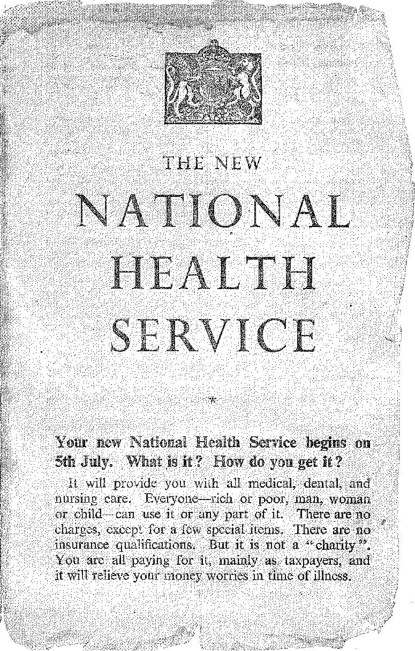
The NHS officially opened on the 5th July 1948 following campaigning and planning by Aneurin Bevan. It brought together family practitioner services (doctors, pharmacists, opticians and dentists), hospital services and community-based services into one organisation for the first time. It was understaffed pretty much from its inception. Consequently, the NHS has always relied on migrant workers. The NHS actively sought staff from all over the world, in particular focusing on Commonwealth countries. People we invited to the UK by the government and they came from all over the globe; nurses and midwives from Jamaica, Barbados and Malaysia and doctors from India and Pakistan. Doctors, nurses, midwives and auxiliary staff in the NHS were always from all over the world and part of the economic migrant community.
On the 22nd June 1948 the now famous “Empire Windrush” docked at Tilbury bringing the first wave of Caribbean immigrants coming to help rebuild post war Britain and to staff the NHs. The government offered them the chance to come to the so called “mother-country” to live and work. The call spread across the Empire and staff, particularly nurses came. By 1954 there were more than 3,000 women from the Caribbean training as nurses in British hospitals.
Just like modern nurses, those women (and nurses were almost exclusively women) worked long and intensive hours. The first decade of the NHS can definitely be seen as a learning curve as the NHS found its feet. It was almost crippled in its first year as so many people required health care that they had not had access to before. There were period specific problems, including epidemic outbreaks like Polio and the “great smog” in London in 1951 which caused around 4000 deaths in December that year. (Smoke pollution legislation was introduced soon after).
In the 1950s the matrons were very much in charge. They oversaw patient care, catering, laundry and cleaning. The matron also looked after all the sisters (nurses) and their staff homes and training. Apparently even senior doctors would not enter wards without seeking approval from the nursing staff. Nurses in the 1950s were still governed by Florence Nightingale-esq discipline. Strict codes of etiquette, dress and professional practice had to be adhered to.
Nurses usually lived in nurse housing and had to obey all the rules which extended into their private lives; how they dressed, what activities they could do and how late they could stay out. Matron would also assess the suitability of any young man they might wish to marry – but if they did marry, they had to leave the profession.
For all nurses life was quite tough. It was particularly difficult for the migrant nurses who came. Most of the nurses who came were qualified in their own country, but their qualifications were not accepted in Britain. They had to work hard to regain their qualifications. Similarly, commonwealth nurses often found themselves blocked from state registered training. Few commonwealth nurses would receive promotions or opportunities. Widespread, systematic racism prevented professional development and extended to abuse, racism and mistreatment on the wards.
It has been argued that despite the invite from the government no preparation had been done to prepare the British people for an influx of migrants. As such many migrants found themselves unwelcome in their new homes and jobs. Many new NHS staff found themselves in a hostile environment at work and at home. There are many stories of the racism and isolation the Windrush generation faced (and still face). Click here to hear from Nettie White, Betsy Johnson and Yvonne English who came form Jamacia to work at nurses in the early 1960s. Allyson Williams, a former midwife from Trinidad said: “No one prepared you for how the patients were going to treat you. They’d slap your hand away and say, ‘don’t touch me, your black is going to rub off on me’.””
Now Britain is a nation of diversity. Around 15% of the population are from BME backgrounds. Ethnic minorities still work to support the NHS. Indeed, the NHS is one of (if not the) largest employer of people from a BME background in Europe. Around 1 in 5 of the NHS workforce comes from a BME background and around 13.5% of the workforce have non-British nationalities.
When you clap for the NHS remember to particularly thank the migrant workers who came to support the NHS from 1948 to now. Without them it might not have survived its first decade.
 Laura Sellers
Leave a comment